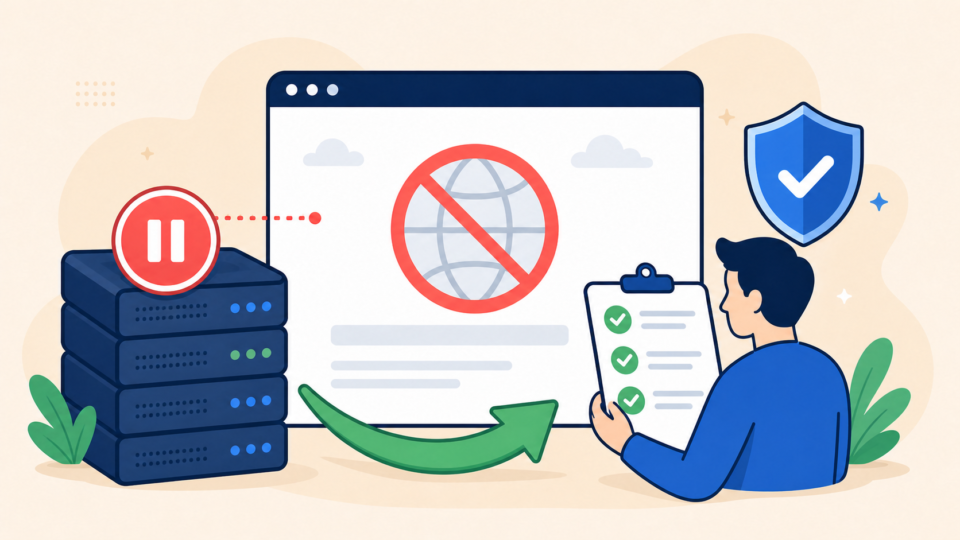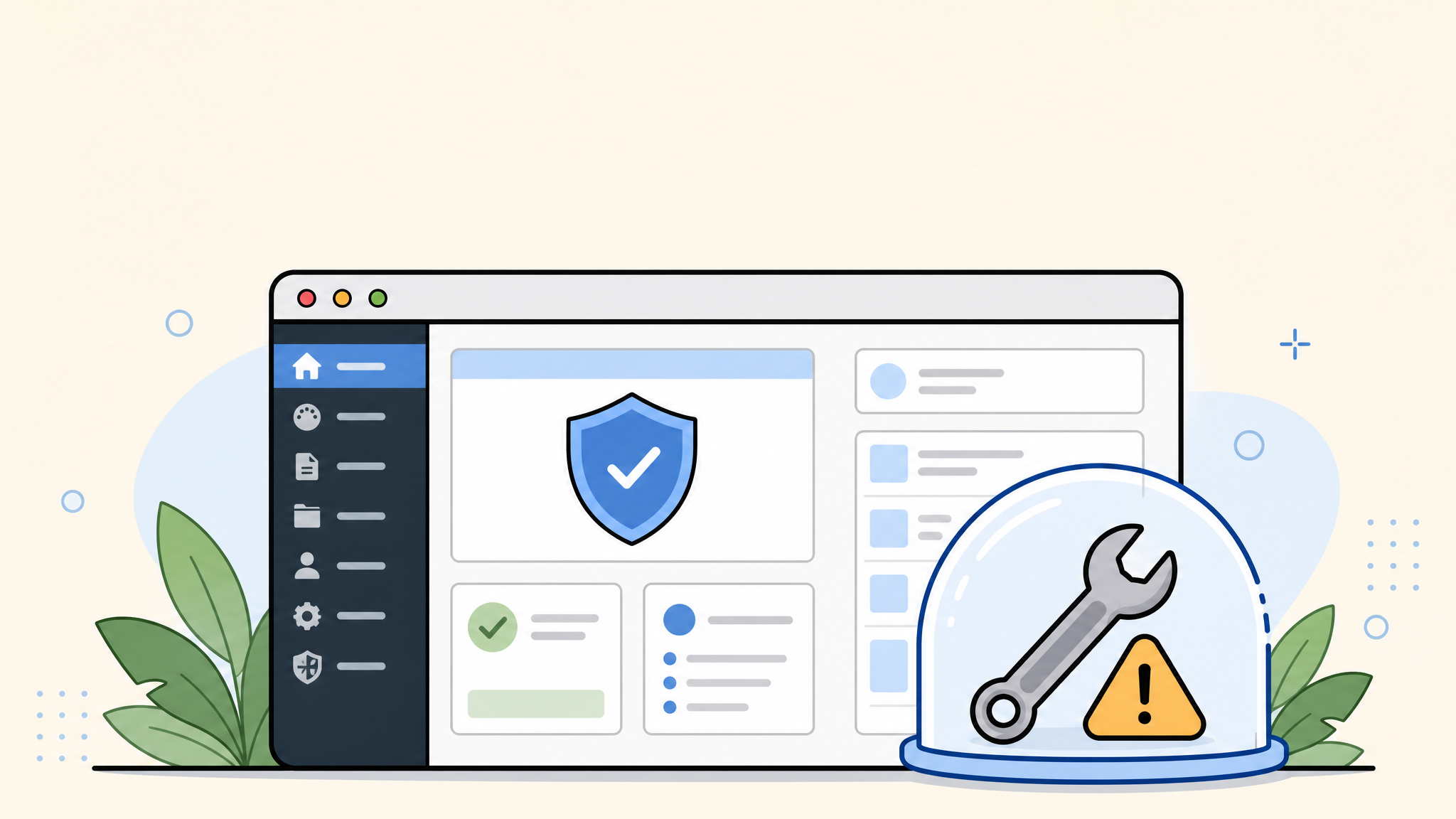
WordPress Recovery Mode can feel like a lifeline when your site suddenly shows a critical error. It may let you log in, pause a broken plugin or theme, and bring the admin area back long enough to repair the problem.
But Recovery Mode is not a full repair tool. It does not remove malware, rebuild corrupted files, fix server limits, or guarantee that the public website is safe. If you misunderstand what it does, you may restore admin access while leaving the real cause untouched.
 RyoheiYokoyama
I’m Ryohei Yokoyama, founder of SiteFixNow. I have worked as an IT engineer for over 20 years and have handled many WordPress recovery, malware cleanup, hacked site repair, and emergency troubleshooting cases. In this guide, I’ll explain what Recovery Mode can safely fix, what it cannot fix, and when you need deeper investigation.
- What WordPress Recovery Mode actually does when a fatal error occurs
- Which plugin, theme, and PHP problems Recovery Mode can help you isolate
- Why Recovery Mode does not replace malware removal or hacked site repair
- What to check when the recovery email never arrives
WordPress Recovery Mode explained in plain English
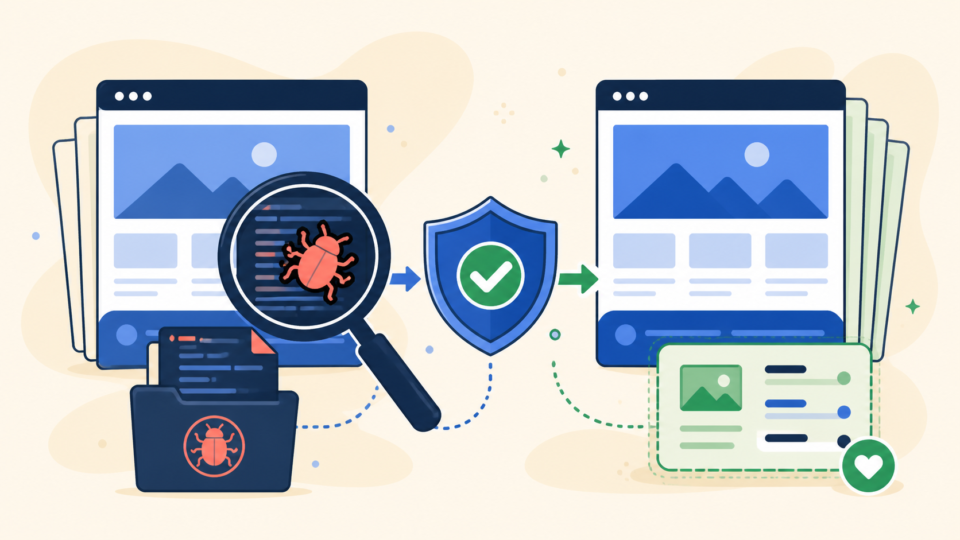
WordPress Recovery Mode is a built-in safety feature that helps site owners regain admin access after certain fatal PHP errors. Its main job is to detect a serious error, pause the broken extension for the affected user session, and send a special login link to the site administrator.
The reason this matters is simple: before Recovery Mode existed, one bad plugin update or theme function could lock you out completely. Now, WordPress can sometimes give you a temporary path back into the dashboard without immediately editing files through SFTP or the hosting panel.
- A plugin triggers a fatal PHP error.
- An active theme has broken code in
functions.phpor another included file. - A PHP version mismatch causes code to fail.
- A recent update introduces incompatible code.
For example, if a plugin uses a function that no longer works on your current PHP version, WordPress may detect the fatal error and email a Recovery Mode link. When you use that link, you can access the dashboard in a limited recovery session and deactivate the problematic plugin.
If your error is broader than Recovery Mode, also review our WordPress critical error fix guide. Critical errors can come from plugins, themes, memory limits, PHP versions, database issues, or malware-related file changes.
WordPress Recovery Mode can fix access long enough to disable a broken plugin or theme
The strongest use of Recovery Mode is temporary access. It helps you get into WordPress long enough to identify the extension that caused the fatal error and take a careful next step.
This is useful because many WordPress failures happen right after a plugin update, theme edit, PHP upgrade, or automatic update. In those cases, the site may not need a full restore. It may need one plugin disabled, one theme switched, or one code mistake corrected.
- Read the error details shown in the Recovery Mode notice.
- Identify the plugin, theme, or file path mentioned in the error.
- Deactivate the affected plugin or switch to a safe default theme if needed.
- Test the public website in a private browser window.
- Update, replace, or repair the broken component before reactivating it.
A common example is a broken plugin file such as wp-content/plugins/example-plugin/includes/class-loader.php. If Recovery Mode points to that plugin, deactivate it first instead of editing random files. Then check whether the site loads normally.
Fatal error: Uncaught Error
File: wp-content/plugins/example-plugin/includes/class-loader.php
Action: Deactivate the plugin first, then inspect or update it.WordPress Recovery Mode does not remove malware or prove the site is clean
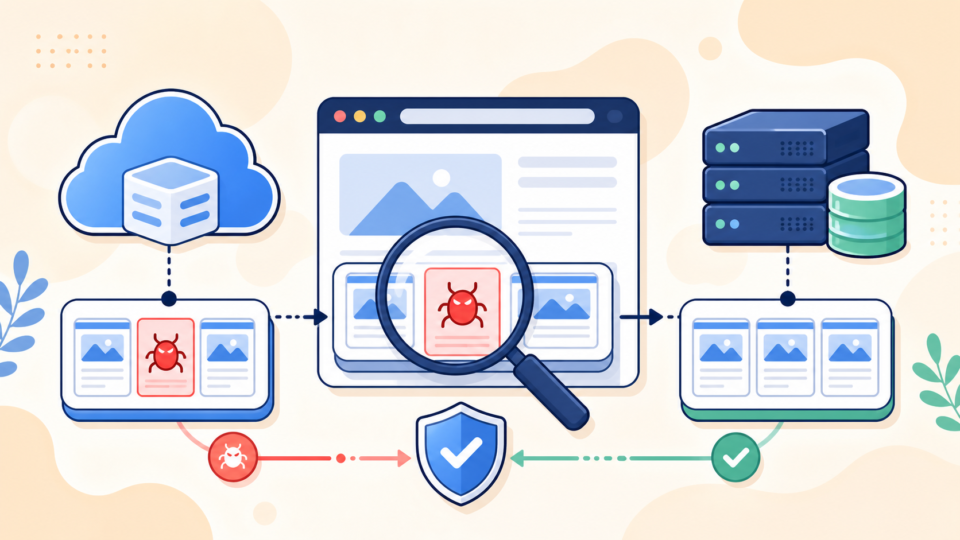
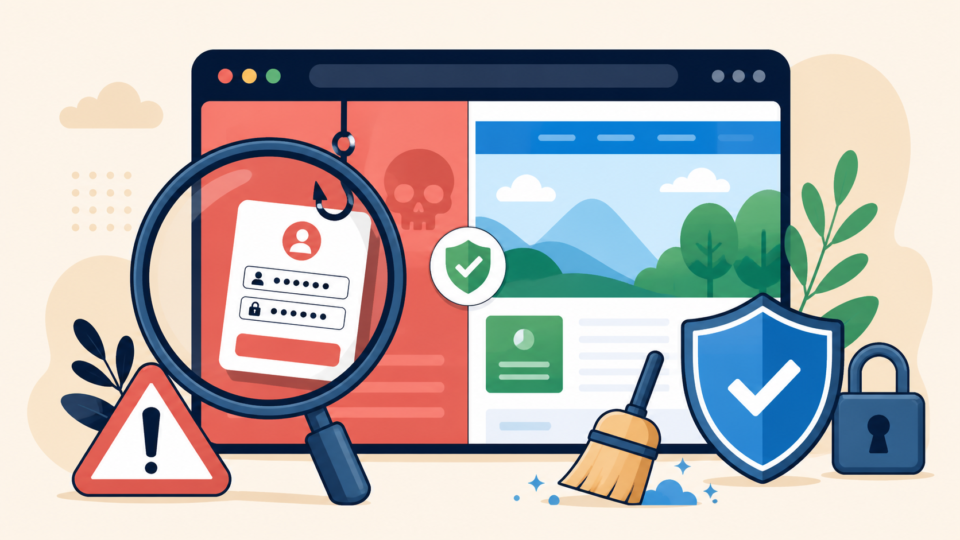
Recovery Mode does not remove malware. It may help you access the dashboard after a fatal error, but it does not scan the whole site, find hidden backdoors, remove injected code, or secure compromised administrator accounts.
This limitation is important after a malware infection because attackers often change files in ways that also trigger fatal errors. A malicious edit in a plugin, a fake must-use plugin, or injected PHP in a theme can break the site and still require full cleanup after access returns.
- Hidden PHP files inside
wp-content/uploads/. - Suspicious code in
wp-config.php,.htaccess, or theme files. - Rogue administrator users or changed account emails.
- Database injections, spam links, or redirect payloads.
- Backdoors that recreate malware after you delete one visible file.
If the site showed redirects, browser warnings, unknown admin users, strange files, or repeated reinfection before the critical error, treat Recovery Mode as only one small part of the response. You still need a malware-focused inspection.
For cleanup steps, see WordPress malware removal for infected sites. If visitors are being sent to spam pages, also check our WordPress redirect hack fix guide.
A quick post-recovery malware check
After you regain access, check the obvious persistence locations before assuming the issue is over. The goal is not to delete everything suspicious immediately. The goal is to identify whether the fatal error was an ordinary compatibility issue or part of a hacked-site pattern.
wp-content/mu-plugins/
wp-content/uploads/ for unexpected .php files
.htaccess redirect rules
wp-config.php for unknown include or require lines
WordPress Users > Administrators
recently modified plugins and themes
WordPress Recovery Mode email may not arrive if mail, admin address, or server errors are broken
If the Recovery Mode email never arrives, the next step is to check the email path and the actual fatal error source. WordPress sends the link to the administrator email address, but that message can fail if mail delivery is broken or the admin address is outdated.
This happens often on older sites. The public site breaks, WordPress tries to send the recovery link, but the address belongs to a former staff member, the hosting mail function is blocked, or the message lands in spam. In that situation, waiting longer rarely solves the problem.
- Check the spam folder for the administrator mailbox.
- Confirm the site admin email in the database if dashboard access is unavailable.
- Review server error logs for the exact PHP file and line number.
- Temporarily disable the suspected plugin folder through SFTP or hosting file manager.
- Check whether the problem is actually a 500 error, memory limit, or server configuration issue.
If you have database access, the administrator email is usually stored in the options table. The table prefix may not be wp_ on every site, so adjust the query to match your installation.
SELECT option_name, option_value
FROM wp_options
WHERE option_name IN ('admin_email', 'recovery_mode_email');
If server logs point to a plugin, you can disable that plugin without the dashboard by renaming its folder. Do this carefully and record the original name so you can restore it later if needed.
wp-content/plugins/problem-plugin/
wp-content/plugins/problem-plugin.disabled/
If the error behaves more like a server failure than a plugin failure, our WordPress 500 error fix guide explains common causes such as PHP memory, server configuration, corrupt .htaccess, and plugin conflicts.
WordPress Recovery Mode should be followed by a real repair checklist
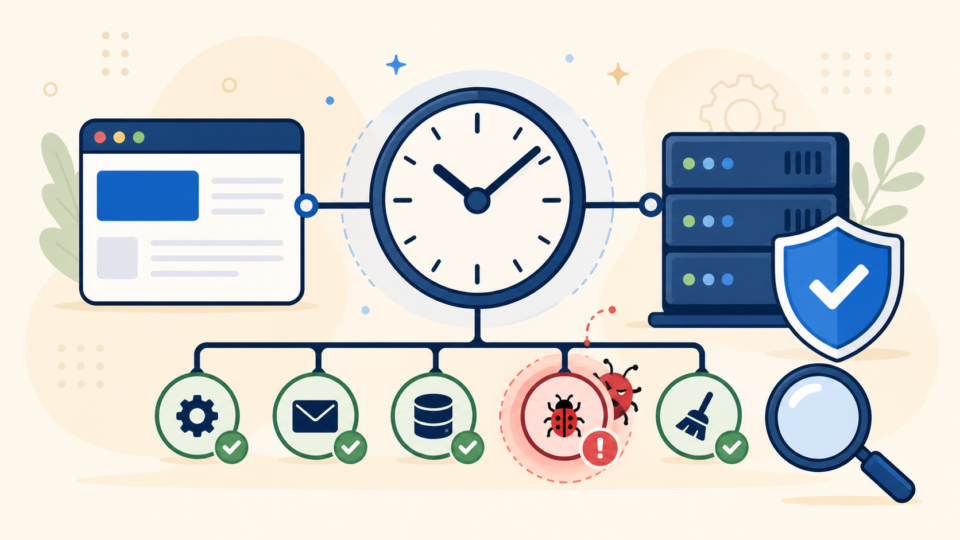
The correct mindset is this: Recovery Mode helps you regain control, then a repair checklist confirms the site is stable. Do not stop at “the dashboard loads again” if the site was broken for visitors, recently infected, or repeatedly failing after updates.
A proper repair pass checks files, plugins, themes, PHP version, logs, backups, users, and security settings. This is especially important for business sites where a hidden error can affect orders, forms, SEO, and customer trust.
- Confirm the public homepage, important pages, forms, checkout, and login page.
- Update or replace the plugin or theme that caused the fatal error.
- Check PHP version compatibility with WordPress, plugins, and theme.
- Review server error logs for repeated warnings after the first repair.
- Scan for malware indicators if the site had any hacked-site symptoms.
- Create a fresh clean backup after the site is stable.
Enable debugging only for investigation
When you cannot see the cause, WordPress debugging can help create a log. However, do not display errors publicly on a live site. Use logging, review the file, then turn it back off when the investigation is finished.
define('WP_DEBUG', true);
define('WP_DEBUG_LOG', true);
define('WP_DEBUG_DISPLAY', false);
@ini_set('display_errors', 0);
After testing, check wp-content/debug.log and your hosting error log. Look for repeated file paths, plugin names, theme files, memory errors, or database connection warnings. Those patterns usually tell you where the real repair should focus.
WordPress Recovery Mode FAQ
WordPress Recovery Mode summary: use it to regain control, then verify the real cause
WordPress Recovery Mode is valuable because it can give you a temporary path back into the dashboard after a fatal error. It is especially useful for disabling a broken plugin, switching away from a broken theme, or investigating a PHP compatibility problem.
But Recovery Mode is not the same as full repair. It does not remove malware, clean hacked files, verify users, fix redirects, repair server limits, or prove that your public website is safe.
The safest approach is to use Recovery Mode to regain control, then follow a real repair checklist. Check the error source, test the public site, review logs, inspect suspicious files, and confirm whether the incident was a simple compatibility issue or part of a deeper hacked-site problem.
If You Can’t Secure or Recover Your WordPress Site Yourself
If your website shows malware warnings, redirects to strange pages, or you are not sure whether it is secure,
SiteFixNow can help clean, repair, and recover your WordPress site.
- Your WordPress site may be infected with malware.
- Security warnings appear in Google or browser results.
- You found unknown admin users or suspicious files.
- The site redirects to spam or unknown websites.
- You need urgent WordPress hacked site repair.
- Reduce visitor risk and SEO damage.
- Find hidden malware and backdoors, not only visible symptoms.
- Recover the site safely without unnecessary data loss.